For interior design and decorating professionals, textile design and printing open up new possibilities for customizing spaces. Patterns, colours and graphic elements can be integrated directly into the textiles used in a space.
Among the techniques used to customize fabrics, sublimation stands out because of its printing process and the way the ink is integrated into the fibres. This technique can be particularly interesting for projects where textiles contribute to the visual identity of a space.
But how does fabric sublimation work? Which textiles are compatible with this technique, and what are its benefits? Here are the key things to know before choosing a textile printing solution for a custom project.
Table of Contents
What Is Fabric Sublimation?
Fabric sublimation is a printing technique that uses heat to transfer ink onto a textile. When exposed to heat, the ink changes from a solid to a gas and then penetrates the fibres of the fabric, forming the printed design.
The ink is therefore not simply deposited on the surface of the textile. Instead, it becomes integrated into the fibres, creating a print with a consistent appearance and a different feel from printing methods that form a layer on the surface of the fabric.
Sublimation is one of the digital textile printing processes that can be used to customize fabric.
How Does the Textile Sublimation Process Work?
The principle behind sublimation relies on heat to turn the ink into a gas and allow it to become integrated into the textile fibres.
The process can be summarized in four main steps:
- Creating or preparing the design
The design is first prepared in digital format. It may be an original creation, an existing pattern adapted to the project, or graphic elements related to a brand’s visual identity.
- Printing the design
The design is printed onto a transfer medium using inks specifically designed for the sublimation process. At this stage, the design is still on the transfer medium rather than directly on the fabric.
- Heat transfer
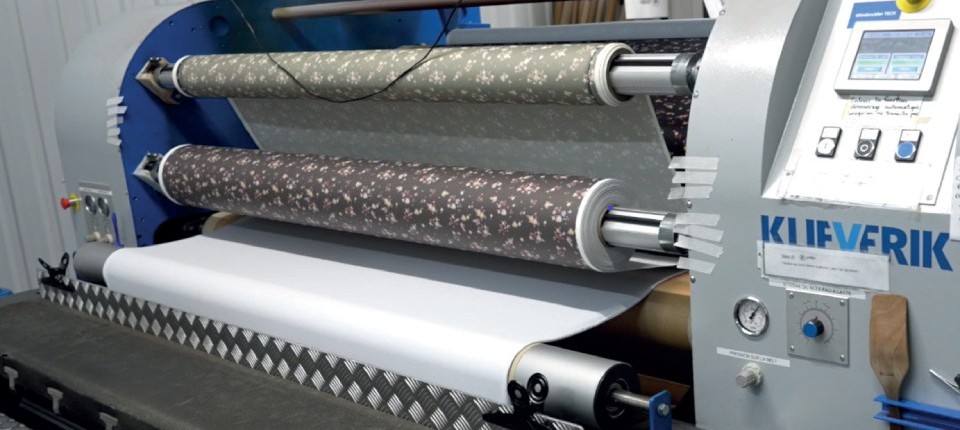
The printed transfer medium is then placed in contact with the textile and exposed to high temperatures. Under the effect of heat, the dye turns into a gas and penetrates the fibres of the fabric.
- Integrating the design into the fibres
Once the process is complete, the dye is integrated into the textile rather than forming a separate layer on its surface. The design therefore retains its details and appearance over time, depending on the characteristics of the fabric and the conditions to which it is exposed.
At Patlin, this technique is part of a broader textile printing process that can include selecting a textile base, preparing the design, producing samples and manufacturing the textile for the project.
Which Fabrics Are Compatible with Sublimation?
Fabric selection is an important consideration when choosing sublimation printing. Traditional sublimation works particularly well with polyester fibres, which allow the sublimation ink to become integrated into the fibres when exposed to heat.
Fabrics with a high polyester content are therefore generally preferred for this process. However, the choice of textile should also take into account the product’s intended use, the desired appearance and the characteristics required for the project.
What Are the Benefits of Fabric Sublimation?
Here are the main benefits of this fabric printing technique.
Excellent Resistance to Washing and Wear
Because the dye is integrated into the fabric fibres, the design is more resistant to repeated washing and normal wear than a print applied only to the surface. This characteristic is particularly useful for textiles intended for frequent use, such as those found in hotels and commercial spaces.
Vibrant Colours and Highly Detailed Designs
Sublimation can reproduce high-resolution images, gradients, textures and complex patterns with a high level of precision. It is particularly well suited to photographic designs, intricate textures and large-format visuals. This gives designers considerable creative freedom for projects where visual impact is a key consideration.
A Fabric That Retains Its Feel
Unlike some printing techniques that create a noticeable layer on the fabric, sublimation preserves the textile’s softness and natural feel. The result is a printed fabric in which the design is integrated into the material rather than added to its surface.
What Are the Applications of Textile Sublimation?
Custom textile printing can meet a wide range of needs. In professional settings, it can be used to create decorative textiles and interior elements that are fully tailored to a project.
Window Treatments
Curtain fabrics, sheers, blackout fabrics and other window treatments play an important role in the visual identity of a space. A custom pattern can help coordinate these elements with a design concept, colour palette or brand identity.
Bed Treatments and Bedding
Textile printing can also be used to create bedspreads, bed runners, decorative cushions and other bedding elements. Patterns and colours can therefore be adapted to the desired atmosphere of a guest room or hospitality space.
Privacy Curtains and Institutional Environments
In healthcare facilities, residences and certain commercial environments, privacy curtains can also be customized. Depending on the project, they can combine functionality and privacy with the overall design of the environment.
Backdrops and Corporate Displays
Sublimation can also be used to produce backdrops for businesses, conference rooms, trade show booths and events. These large-format textiles can reproduce detailed visuals, logos and graphic elements while maintaining consistency with a brand’s visual identity.
Hospitality and Commercial Projects
Hotels, restaurants, spas and other establishments can use customized textiles to create a distinctive and cohesive atmosphere. For projects implemented across multiple locations, textile customization also makes it possible to reproduce the same visual concept across different products while adapting dimensions and finishes to the needs of each space.
Ready to Bring Your Custom Textile Project to Life?
In short, fabric sublimation offers much more than a simple printing technique. It makes it possible to create durable, detailed and fully customized textiles that can become part of the visual identity of a hotel, commercial space, institution or interior design project.
At Patlin, each project is approached as a whole: design creation or adaptation, textile base selection, digital printing and custom manufacturing are all handled under one roof at our facility in Saint-Paulin, Quebec.
Have a design, an idea or an interior project in mind? Our team is here to support you from the initial concept through to the finished textile product.
FAQ - Fabric Sublimation
Sublimation is a printing technique that uses heat to turn ink into a gas and allow it to become integrated into the fibres of the fabric.
Traditional sublimation is primarily used on polyester fabrics or fabrics with a high polyester content. However, the choice of fabric must be suited to both the printing process and the product’s intended use.
Traditional sublimation is not intended for cotton in the same way it is for polyester. For a project involving cotton, a printing technique suited to this material should therefore be considered.
Yes. Because the dye is integrated directly into the fabric fibres, sublimation offers excellent resistance to repeated washing and normal wear while helping the design retain its details over time.
Custom printed fabrics can be used for window treatments, bed treatments and various interior design projects in the hospitality, commercial, institutional and multi-residential sectors.