type-tissus-rideaux

Curtain Fabric: How to Choose from Different Types?

Choosing the right curtain fabric is essential to ensure both aesthetics and functionality in your interior design. Whether for a hotel, business, or condo complex, the textile choice influences not only the ambiance of a room but also its comfort.

Depending on the desired curtain type, different fabrics offer varying performances in thermal and acoustic insulation, light management, and style. This article guides you through the main types of curtain fabrics and helps you make the best choice based on your needs.

Choosing the Right Curtain Fabric: What Criteria Should You Consider?

The fabric used for making curtains affects not only their appearance but also their efficiency and performance under different conditions.

When selecting a curtain fabric, it’s worth comparing your options (presented later in this article) based on several essential criteria, such as:

Thermal and Acoustic Insulation

Some fabrics, like velvet or lined textiles, help keep warmth in during winter and block heat in summer. The choice of curtain fabric affects both indoor comfort and energy efficiency.

Thicker curtain fabrics can also help reduce noise pollution, making them ideal for hotels, relaxation facilities, or businesses located in noisy areas.

Light Management

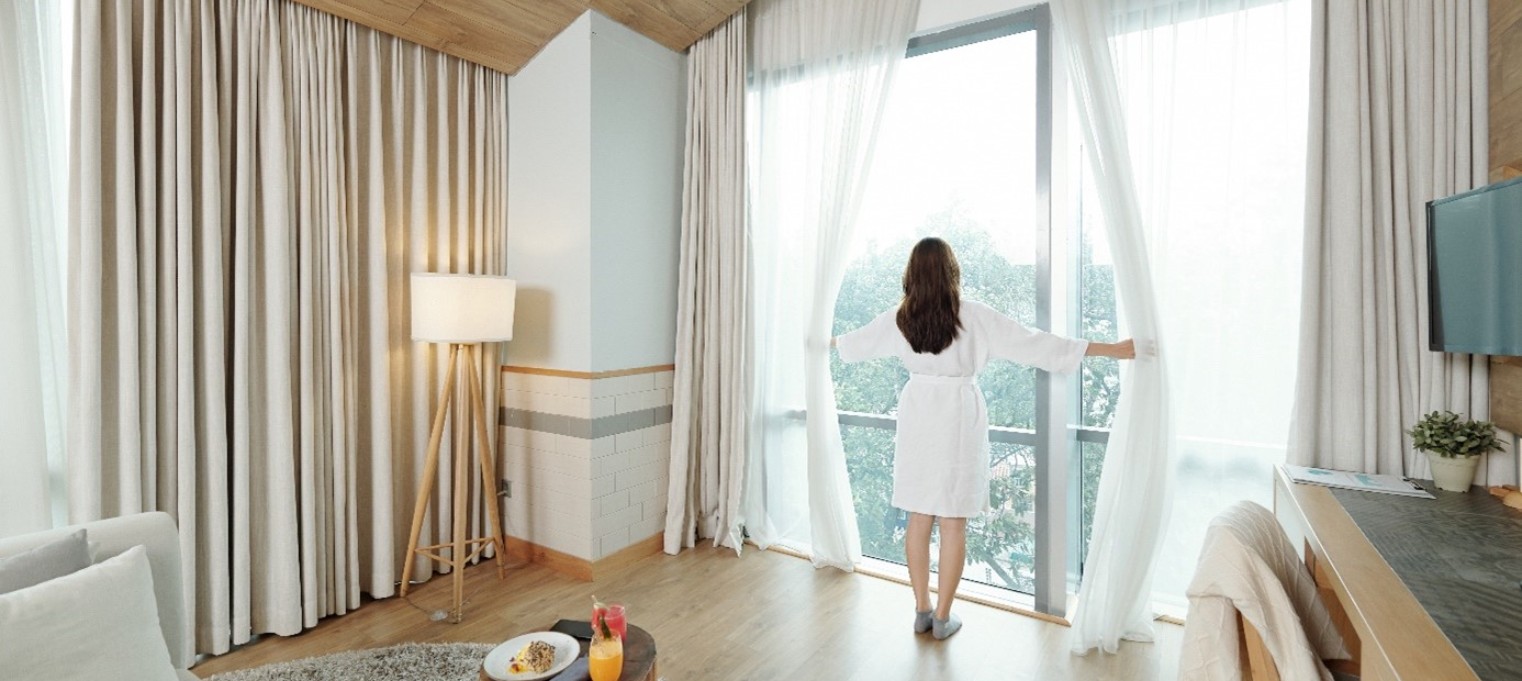
A sheer curtain will allow natural light to pass through while maintaining privacy.

On the other hand, blackout curtains completely block out light, making them perfect for hotel rooms.

Design and Style

The fabric choice directly affects the room’s ambiance. A light and flowing fabric creates an airy atmosphere, while a heavier fabric provides a sense of luxurious coziness.

Ease of Maintenance

Some fabrics require special care, such as dry cleaning for velvet or linen.

Others, like polyester or cotton, are easy to wash and maintain, an important factor for hotels and businesses where regular cleaning is necessary.

Fire Safety (Flame-Retardant Fabrics)

Flame-retardant fabrics are designed to slow fire spread, which is crucial for public establishments (hotels, restaurants, offices, etc.). Some textiles, like Trevira CS or flame-retardant-treated fabrics, meet current safety standards.

In Canada, fabrics used in certain commercial and institutional buildings must meet strict requirements, including the CAN/ULC-S109 standard, which governs flame-resistance testing for textiles. Flame-retardant curtains are often required by regulations and enhance occupant safety while complying with legal obligations.

Best Fabrics for Sheer Curtains

Sheer curtains are perfect for adding lightness to a room while allowing natural light to enter. Below are some popular fabrics for making sheer curtains.

Voile

Tissu pour rideau - Voile

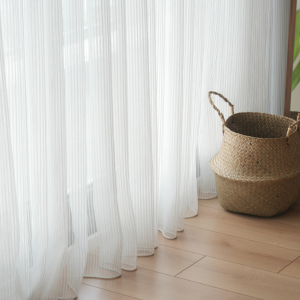
Extremely lightweight and translucent fabric, often made of polyester or cotton blends. It filters light while providing some privacy without obstructing the view.

Organza
Tissu pour rideau - organza

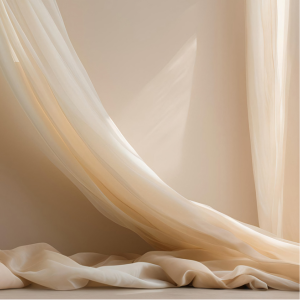
A fine, silky textile, often crafted from polyester or synthetic silk. Organza has a slight sheen that reflects light for an elegant and refined effect.

Light Linen
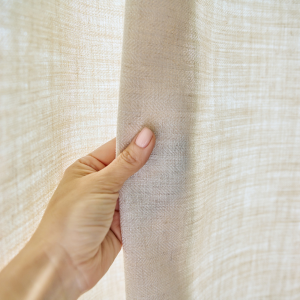
Tissu pour rideau - lin léger

Made from natural fibers, this fabric is valued for its textured and breathable quality. It lets light pass through while adding a natural and warm touch.

Best Fabrics for "Standard" Curtains

These fabrics are ideal for classic curtains that filter light without completely blocking it.

Cotton

Tissu pour rideau - coton

A widely used natural fiber, easy to maintain, and available in a variety of colors and patterns. It can be blended with polyester for better wrinkle resistance. 

Linen
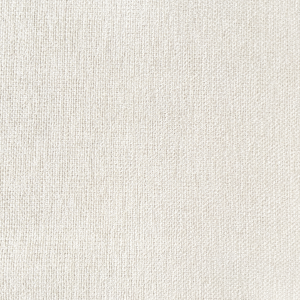
Tissu pour rideau - lin

Heavier than light linen, offering good durability and a pleasant texture. However, it requires more care and may need ironing after washing. 

Polyester
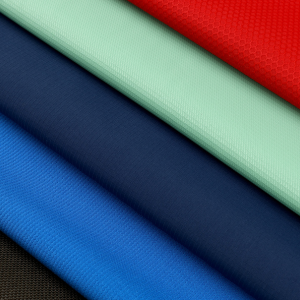
Tissu pour rideau - polyester

A highly durable synthetic fiber that resists wrinkles and is generally affordable. Often blended with other fibers to improve texture and durability. Interestingly, polyester is the most popular curtain fabric due to its easy maintenance. 

Jacquard
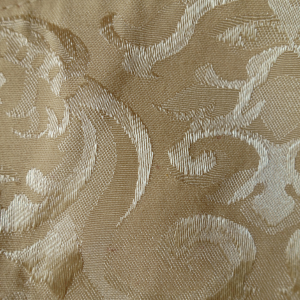
Tissu pour rideau - jacquard

A thick fabric with patterns woven directly into the fibers, usually a blend of cotton and polyester. It adds sophistication and suits elegant interiors. Jacquard is also ideal for upholstery, such as benches and chairs.

Best Fabrics for Blackout Curtains

These fabrics are designed to block light and improve thermal and acoustic insulation.

Velvet

Tissu pour rideau - velours

Made of cotton, polyester, or fiber blends, it is dense and heavy. Velvet provides excellent thermal and sound insulation while adding a luxurious feel. 

Suede
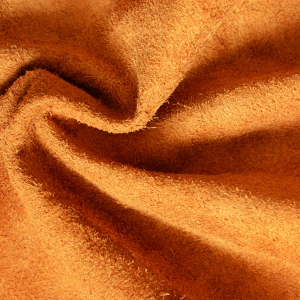
Tissu pour rideau - suédine

A softer alternative to velvet. It is lighter but still offers good blackout properties. 

Blackout Fabric
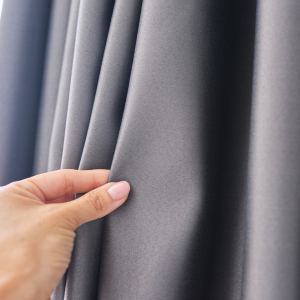
Tissu pour rideau - toile occultante

Made from polyester or acrylic, it features a tight weave or special coating that prevents light penetration. Commonly referred to as “dimout,” this textile is widely used in hotel window treatments and cinemas. 

Lined Fabric
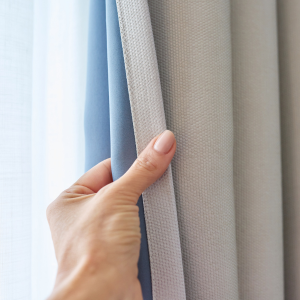
Tissu pour rideau - tissu doublé

Often called “sun-blocking” or “blackout fabric,” it consists of a standard fabric combined with a blackout lining made of polyester or coated cotton, enhancing its insulating properties and providing UV protection.

Curtain Fabric Comparison Table

Fabric Type

Transparency

Thermal Insulation

Acoustic Insulation

Fire Safety

Maintenance

Voile

Yes

Low

Low

Yes

Easy

Organza

Yes

Low

Low

Yes

Moderate

Light Linen

Yes

Medium

Low

No

Moderate

Cotton

Medium

Medium

Medium

No

Easy

Linen

Medium

Medium

Medium

No

Moderate

Polyester

Medium

Good

Good

Yes (treated)

Easy

Jacquard

Medium

Good

Good

Yes (treated)

Moderate

Velvet

No

Excellent

Excellent

Yes (treated)

Moderate

Suede

No

Good

Good

No

Moderate

Blackout Fabric

No

Excellent

Excellent

Yes

Easy

Lined Fabric

No

Excellent

Excellent

Yes

Moderate


For the Widest Selection of Curtain Fabrics, Choose Textiles Patlin

Textiles Patlin is not only a specialist in custom curtain manufacturing but also an expert in fabric importation and digital textile printing.

This means our curtain fabric selection is virtually limitless, with highly customizable fiber, color, texture, and pattern choices. With us, you’ll find a textile that offers the performance you need while reflecting your establishment’s personality.

Additionally, we provide a turnkey service to support you at every stage of your window treatment project:

    1. Fabric importation
    2. Measurement taking
    3. Curtain making
    4. Delivery
    5. Professional installation

Need personalized assistance for decorating a hotel or other establishment? Contact us now to ensure a result that meets your expectations!

FAQ – Choosing curtain fabrics

What are the main criteria for choosing curtain fabric?

Choosing curtain fabric is mainly based on thermal and acoustic insulation, light control, design, ease of maintenance, and fire safety. These criteria help select a textile suited to the intended use and environment.

Which curtain fabric offers the best thermal and acoustic insulation?

Thick fabrics such as velvet and lined fabrics provide the best thermal and acoustic insulation. They help retain heat, reduce temperature fluctuations, and minimize noise.

Which fabric should be used for sheer curtains?

The most commonly used fabrics for sheer curtains are voile, organza, and lightweight linen. They allow natural light to enter while still providing a level of privacy.

What is the most commonly used curtain fabric?

Polyester is one of the most widely used curtain fabrics due to its durability, wrinkle resistance, and ease of maintenance. It is often blended with other fibers to improve performance.

The most effective fabrics for blackout curtains are velvet, suede-like fabric (suédine), blackout fabric, and lined textiles. They block light and improve both thermal and acoustic insulation.

What is fire-retardant curtain fabric?

Fire-retardant fabric is designed to slow the spread of fire. It is commonly required in hotels, restaurants, and public buildings. Some textiles, such as Trevira CS or treated fabrics, comply with applicable safety standards.

What is the difference between opaque and blackout fabric?

Opaque fabric filters light while still allowing some brightness into the room, whereas blackout fabric blocks almost all light, making it ideal for hotel bedrooms.

Is linen a good fabric for curtains?

Yes, linen is appreciated for its natural look and elegant texture. It provides good light control but requires more delicate maintenance compared to fabrics like polyester.

Why choose Textiles Patlin for curtain fabrics?

Textiles Patlin offers a wide selection of curtain fabrics thanks to its expertise in textile importation and digital textile printing. The company also provides a turnkey service including measurement, manufacturing, delivery, and installation.